By Parisa Hafezi
DUBAI, Aug 12 (Reuters) - There have been no talks on extending a ceasefire between Iran and the U.S. under an interim deal, with Iran saying that Washington must return to the pact and define a timeframe to implement its commitments, a senior Iranian source told Reuters on Wednesday.
The source’s comments came after Turkey’s Anadolu news agency, citing Pakistani government sources, reported that Tehran and Washington had agreed to extend a 60-day ceasefire under their Memorandum of Understanding (MoU).
“One of the issues that is being discussed via mediators is the U.S. returning to the interim agreement and defining a timeframe for implementing its commitments. There has been absolutely no progress on this issue,” the source said.
The interim deal signed in June between Tehran and Washington declared an “immediate and permanent termination of military operations on all fronts”, but quickly unravelled, with U.S. President Donald Trump saying on July 7 that the pact was “over”. Tehran has repeatedly accused Washington of consistently violating its commitments.
“There is no talk of an extension because … the United States violated the interim agreement 48 hours after it was reached and withdrew from it a few days later,” the source told Reuters.
In the agreement, the 60-day period refers to an extendable timeframe within which Iran and the U.S. were expected to reach a final deal, which would include larger issues including the fate of Iran’s disputed nuclear program.
A series of requirements, such as a ceasefire in Lebanon, free navigation in the Gulf and waivers for Iran to sell its oil, were viewed as necessary before entering the further negotiation period.
However, efforts to secure a lasting peace have hit an impasse over a range of issues, including disagreements over the Strait of Hormuz.
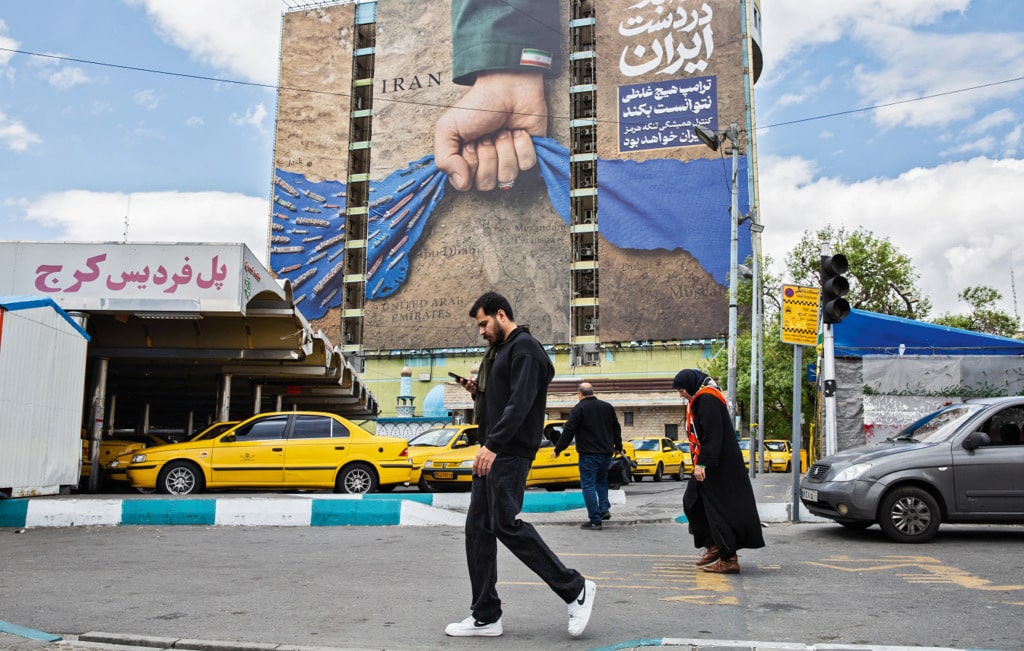
Tehran says the vital shipping route will remain closed as long as the U.S. does not change its behaviour and accept Iran’s conditions to end the war, including the unfreezing of Iranian funds overseas.
After the start of the war, which began with U.S.-Israeli strikes on Iran on February 28, Tehran effectively shut the strait, through which a fifth of the world’s oil and liquefied natural gas was shipped.
Iranian Foreign Minister Abbas Araqchi said on Sunday that Iran and the U.S. are not engaged in talks and Tehran will not start them as long as Washington breaches the interim deal, adding that messages are being exchanged via intermediaries Pakistan and Qatar.
(Writing by Parisa HafeziEditing by Keith Weir)